


As intelligent robotics applications grow rapidly, ROS 2 and AI developers are often unfamiliar with EtherCAT and servo control, while automation engineers are not necessarily familiar with ROS 2, MoveIt, or AI applications. System integrators and OEMs have long faced an integration gap between "intelligent software" and "industrial machines."
ICOP Technology has recently completed a validation of ROS 2-based control of the Oriental Motor SCARA robot using the QEC EtherCAT MDevice platform: motion plans generated by MoveIt 2 are passed through ros2_control and micro-ROS to the QEC, converted in real time into EtherCAT CiA402 position commands, and executed with synchronized precision by Oriental Motor AZ mini EtherCAT drivers and the SCARA robot. Pick-and-place task workflows have also been implemented with the MoveIt Task Constructor (MTC). This validation demonstrates a deployment-ready ROS 2 × EtherCAT robot control and development architecture, serving as a technical reference for system integrators and OEMs performing secondary development and project integration.
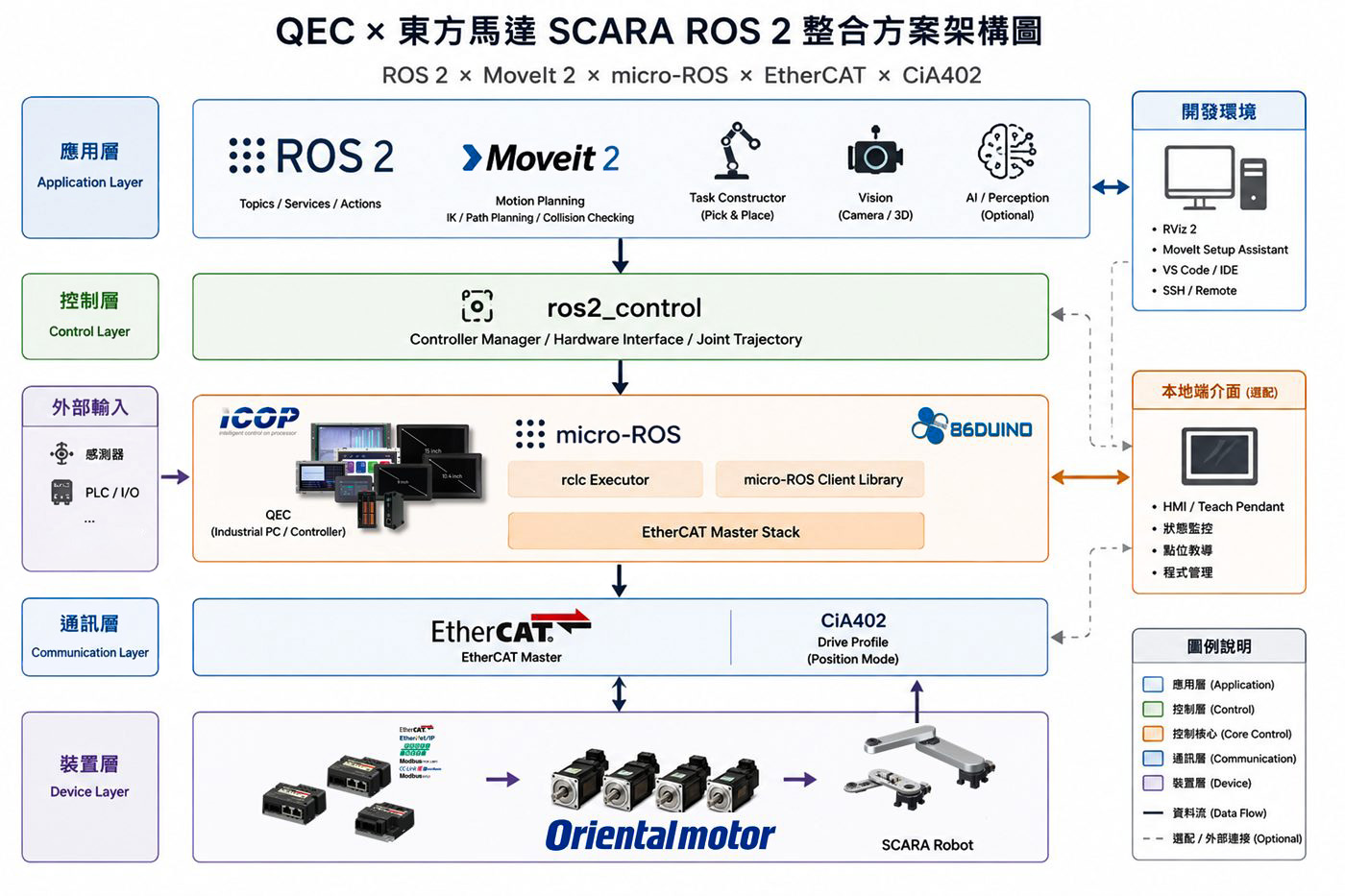
In the validated system, the QEC acts as the real-time bridge between ROS 2 and EtherCAT: the host PC handles high-level planning, vision, and AI decision-making, while the QEC handles real-time EtherCAT control and physical machine execution. Key system components include:
Inverse kinematics (IK), point-to-point path planning, collision checking, and trajectory simulation, with pick-and-place task workflows built on the MoveIt Task Constructor. Vision recognition and AI applications can be further integrated. Perception, decision-making, and planning run primarily on the host PC — the ROS 2 layer.
Through the 86Duino micro-ROS environment, the QEC receives trajectory commands from ros2_control and converts them in real time into CiA402 (Position Mode) commands, executing multi-axis synchronized motion over fixed-cycle EtherCAT communication.
The existing Oriental Motor drivers and SCARA mechanism are retained — no hardware replacement is required. What changes is the control chain: the host gains trajectory control and parameter access.
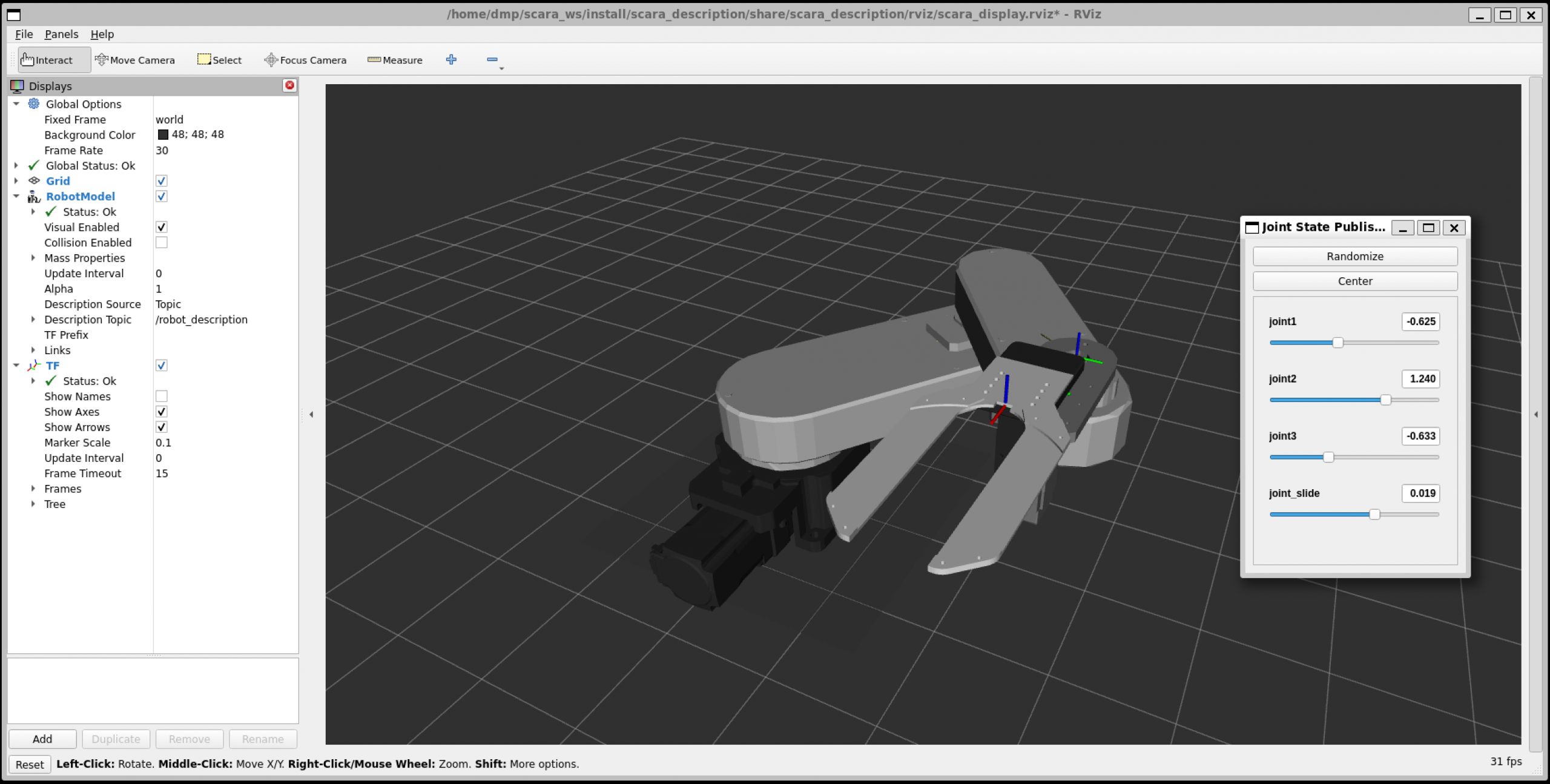
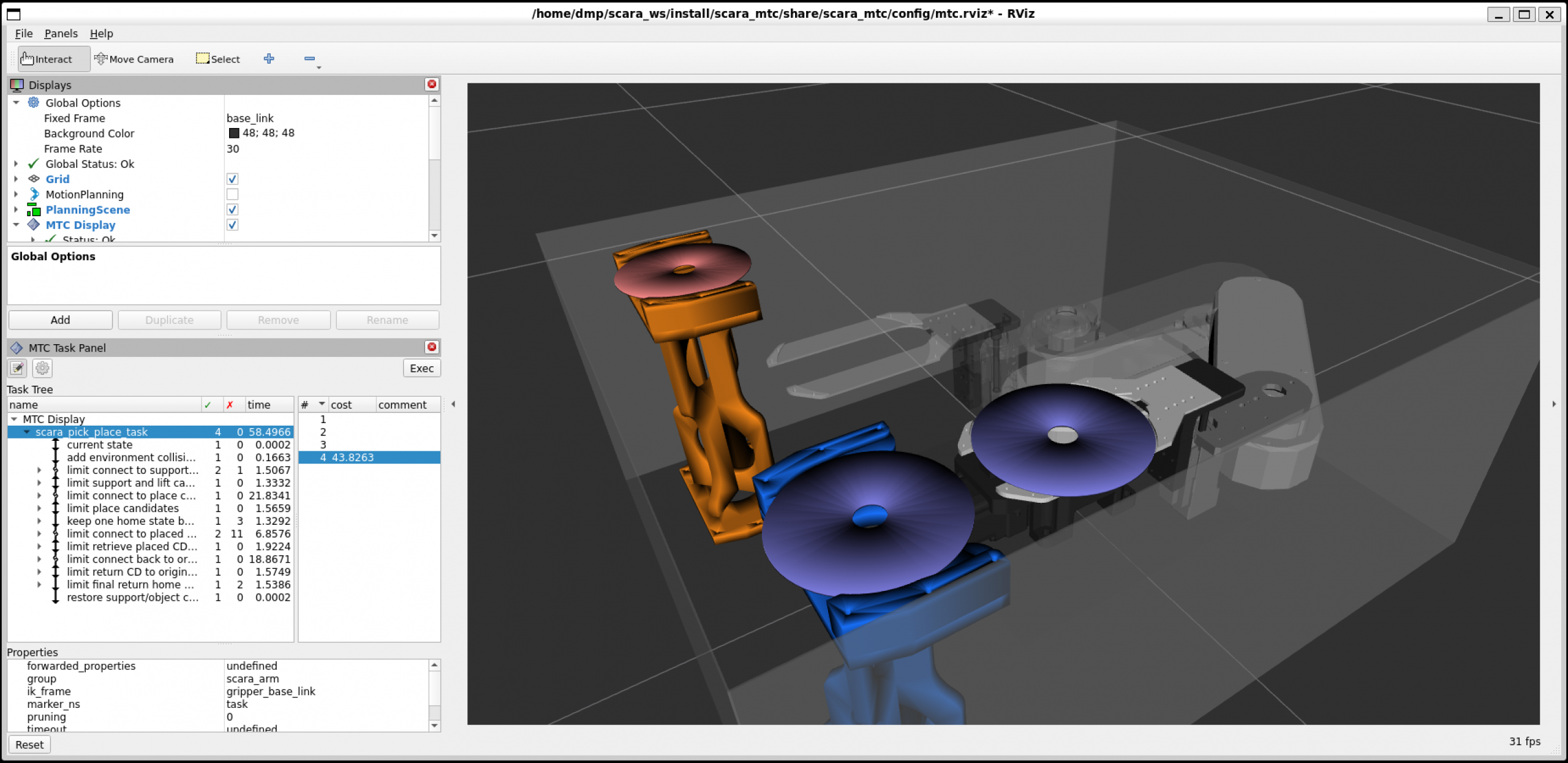
On the software side, ICOP combines ROS 2 / MoveIt 2 with the 86Duino IDE (open-source, C/C++ architecture) to establish a reusable SCARA control development workflow:
The QEC is more than an execution endpoint. Combined with the 86Duino software, the QEC can itself edit motion paths and behavior sequences: trajectories planned in ROS 2 can be downloaded to the QEC and run standalone with full stability — no resident host PC required — while operators can adjust, save, and replay motion sequences directly on the QEC. This combines development flexibility with the stability required for production deployment.
Compared with typical open-source IPC approaches, the 86Duino / QEC platform comes pre-integrated with an EtherCAT Master, CiA402 motion control, industrial I/O, and common industrial interfaces such as Modbus RTU/TCP, Serial, and CAN, along with an Arduino-style C/C++ development environment, comprehensive libraries, and HMI design capability. Developers do not need to separately integrate an EtherCAT stack, servo drivers, sensors, PLCs, serial devices, or other field equipment — motion control, device communication, and application logic can all be completed within a single 86Duino development architecture, significantly shortening the path from proof of concept (PoC) to machine deployment.
The 86Duino platform is no longer limited to education and research: it is now widely applicable to small and medium-sized equipment, instruments, automation systems, embedded control, and robot (arm) applications. This architecture is particularly suitable for machine builders and system integrators who have adopted or are evaluating — the Oriental Motor SCARA robot and AZ series drivers and wish to retain full control over the motion and application layers.
ICOP will present "QEC EtherCAT Smart Control Platform: Integrating HMI, Motion Control, and AI-Assisted Development" at the New Products & Technologies Presentation, Thursday, August 20, 12:00–12:15, Taipei Nangang Exhibition Center Hall 2, 1F, presented by Product Manager Alan Tai. The QEC × Oriental Motor SCARA solution will also be demonstrated at the ICOP booth. We look forward to seeing you there.
Event info: New Product & Technology Launch
ICOP will continue to build on the QEC EtherCAT platform to deepen technical integration with robot arms and motor solutions provided by Oriental Motor, offering technical exchange on SCARA / OVR robot control architectures, EtherCAT system design consulting for robot applications, and project-oriented validation and co-development discussions — helping customers shorten development cycles and expand robot applications in industrial equipment.
Oriental Motor provides a wide range of industrial motion products, including stepper motors, servo systems, drivers, and robotic solutions for diverse automation applications.
More information: Oriental Motor Website
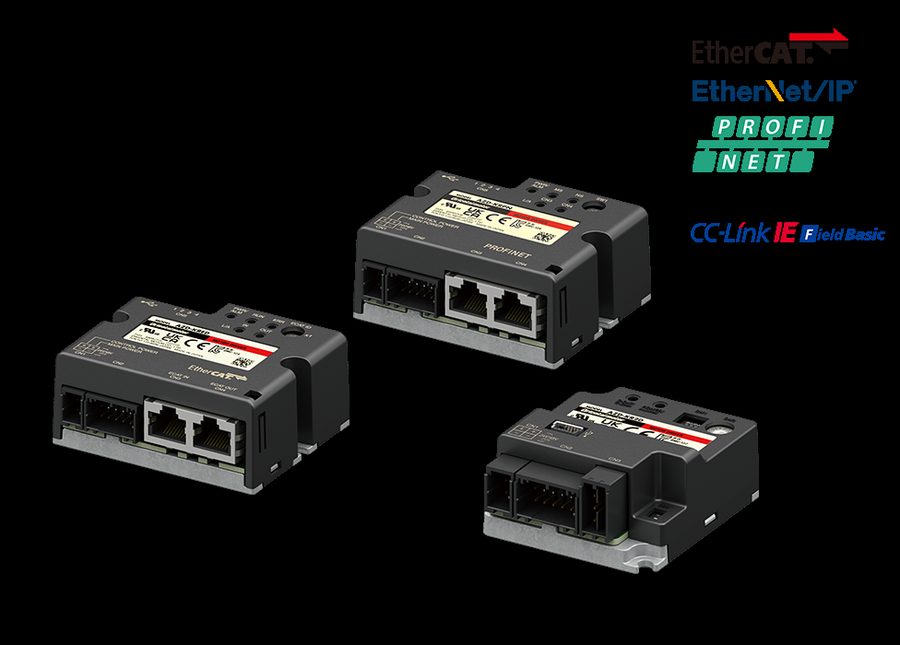
If you are planning to deploy — or have already deployed — the Oriental Motor SCARA robot and would like to further explore ROS 2 × EtherCAT control architectures and development workflows, please contact ICOP for technical discussions and project consultation.

For more information and sample request, please write to info@icop.com.tw, call your nearest ICOP Branch, or contact our Worldwide Official Distributor.